MINI
Un grand coup de cœur
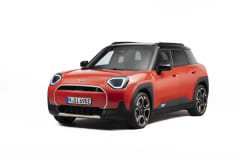
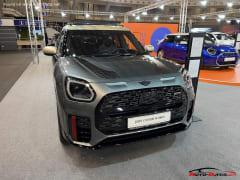
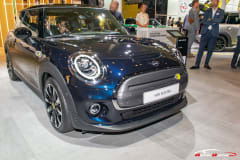
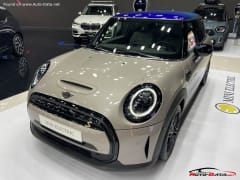
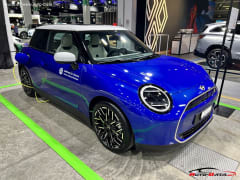
MINI began with the original 1959 small car designed around maximum interior space and compact exterior dimensions. Since 2001 the modern MINI brand has been part of BMW Group. Its electric transition started with the limited MINI E trial fleet and moved into series production with the F56 Cooper SE in 2019. The current electric family includes the Cooper, Aceman and Countryman.
Étapes clés de l’EV
- +Distinctive design and compact dimensions
- +Established BMW Group service network
- +Strong infotainment and smartphone integration
- +Engaging handling for small electric cars
- –Real motorway range can fall sharply in winter
- –Older F56 electric versions have a small usable battery
- –Fast-charging performance is moderate rather than class-leading
- –Option packages can raise the final price considerably
MINI uses BMW Group battery-management and charging technology across several platforms. The older Oxford-built Cooper SE shared substantial battery and drivetrain engineering with the BMW i3. The current Cooper and Aceman use the Spotlight EV architecture, while the Countryman EV uses BMW Group's FAAR-based platform. All European versions use CCS2 charging and liquid-cooled high-voltage batteries.
MINI offers some of the most characterful compact EVs. The current Cooper and Aceman combine modern software with practical urban range, while the Countryman adds family space. The older F56 Cooper SE remains appealing as a city car but its small battery limits longer journeys.
- Raison sociale
- MINI (BMW Group)
- Propriété
- BMW Group
- Marque 100 % VE
- Non
- Partenaires batterie
- CATL
- Vend en Pologne
- Oui
- Marchés
- PL, DE, FR, UK, NO
VE de MINI